dsRNA Removal Using Organic Solvents
CIMmultus® SDVB
Learn moreThe development of messenger RNA (mRNA) and lipid nanoparticle (LNP) therapeutics represents a frontier in biopharmaceuticals. However, by late 2025, purity, consistency, and monitoring technologies still posed significant challenges. This blog explores solutions that are driving advancements in this innovative field by addressing these challenges:
Given the complex, multi-component nature of mRNA/LNP therapeutics, maintaining high product purity is essential. This requires careful monitoring and characterization of impurities to ensure therapeutic efficacy.
Double-Stranded RNA (dsRNA): This impurity, generated during in vitro transcription (IVT), can trigger undesirable immune responses, compromising safety and efficacy. Efficient removal remains a major purification challenge.
Truncated and Degraded mRNA: The fragile nature of mRNA makes it prone to fragmentation and degradation throughout IVT, purification, and LNP formulation. Separating intact mRNA from fragments is crucial to ensure product quality.
IVT Byproducts: Impurities such as DNA templates and unincorporated nucleotides must be eliminated for clinical-grade purity.
Non-encapsulated/free mRNA: Ensuring high encapsulation efficiency (EE%) is vital to prevent degradation and immune reactions, necessitating removal during purification.
Empty Liposomes/LNPs: Compete with functional LNPs for uptake, requiring effective separation to maintain drug efficacy.
Solvents and Raw Material Purity: Ethanol and lipid component purity impact final product quality, presenting challenges in maintaining purity at large scales.
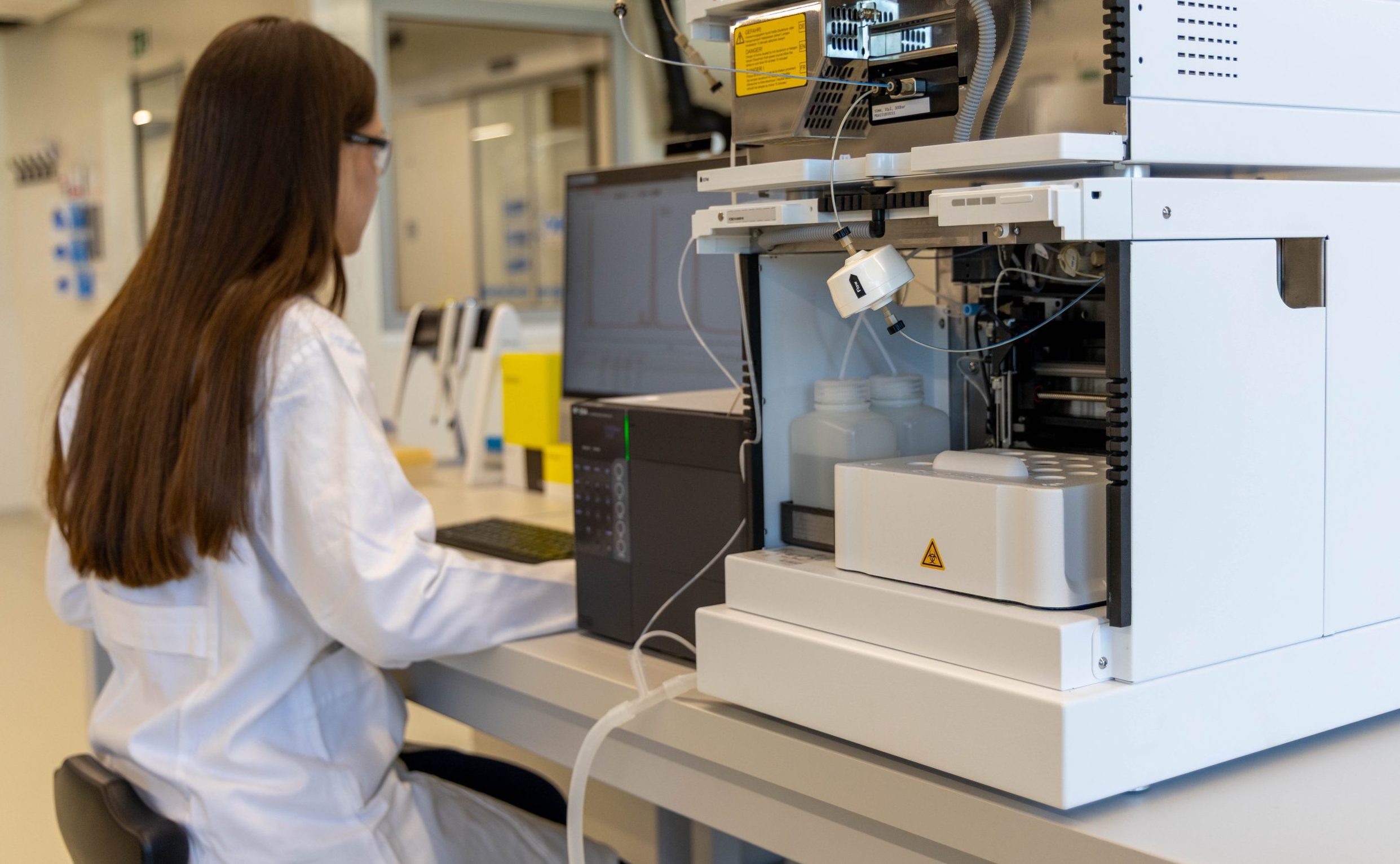
Robust analytical methods are vital for LNP-mRNA stability, yet traditional batch analytics often fall short, especially for real-time, in-line process control.
Speed and Relevance: Offline methods like Dynamic Light Scattering (DLS) delay results, impacting real-time control and potentially leading to waste.
Sample Heterogeneity: Batch methods struggle to accurately characterize LNP subpopulations, providing average measurements that obscure critical differences.
LNP Disruption: Necessary for purity analysis, this offline step can degrade mRNA and introduce measurement uncertainties.
Sub-populations: Fast, reliable methods are needed to monitor and characterize LNP subpopulations during manufacturing.
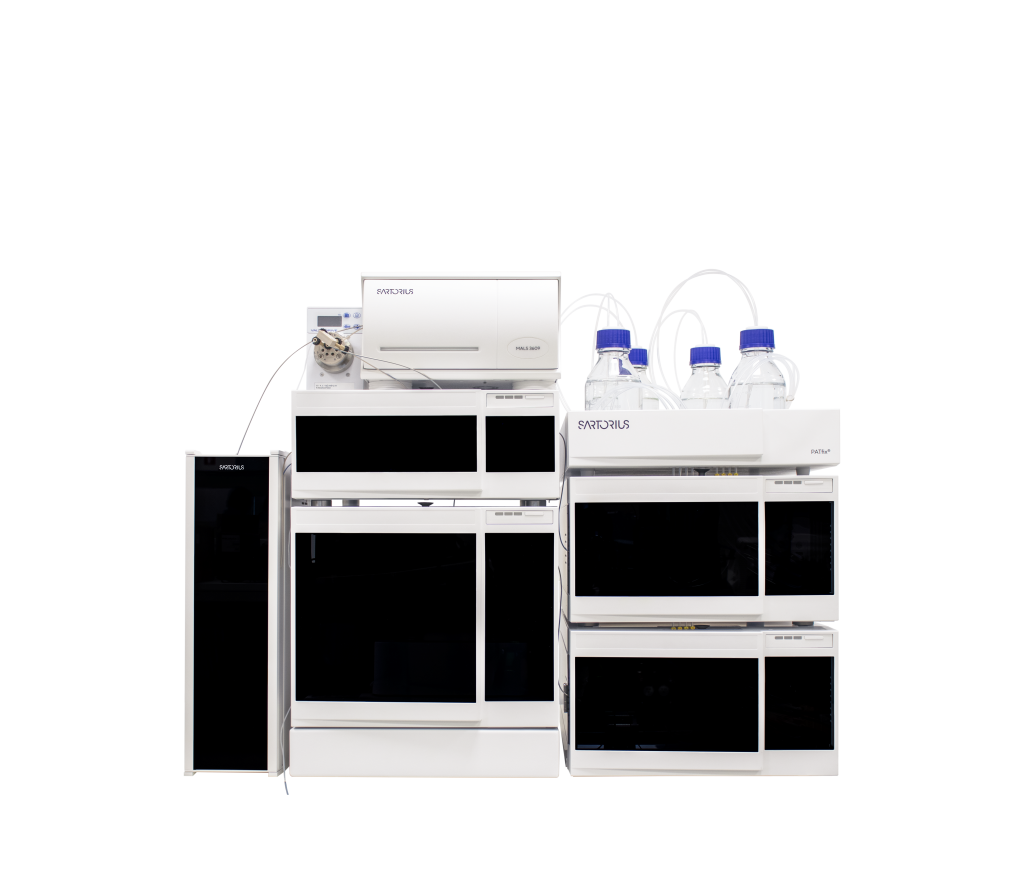
Real-Time Critical Quality Attribute (CQA) Monitoring: Process Analytical Technology (PAT) tools enable continuous manufacturing by monitoring CQAs in-line or at-line, focusing on parameters like particle size, EE%, and mRNA integrity.
Scaling up from lab production to commercial manufacturing introduces challenges, particularly regarding process consistency.
Shear Sensitivity: LNPs are vulnerable to shear stress during purification steps like Tangential Flow Filtration (TFF), affecting safety and efficacy. Minimizing damage and aggregation during scale-up is critical.
Continuous Manufacturing: Integrating synthesis, LNP formation, purification, and sterile filtration into a continuous flow presents complex engineering challenges.
Non-Standardized Processes: Unlike monoclonal antibodies, the LNP-mRNA field lacks standardized purification processes, requiring costly redevelopment for each new formulation.
This exploration of mRNA/LNP therapeutics highlights the challenges and solutions in the field, emphasizing the importance of advanced techniques and real-time monitoring for successful bioprocessing. By addressing these issues, the industry moves closer to producing safer, more effective therapies for everyone.